Tour Guidato Premium del Museo del Louvre
5,0 (7226)2h30Parigi, Francia
Da63 €
Scopri Parigi dal fiume Senna con una crociera panoramica di un'ora. Partendo dal molo vicino al Pont de l’Alma, la crociera è accessibile tramite i mezzi pubblici e offre parcheggio gratuito. Le imbarcazioni sono dotate di un ponte principale riscaldato o climatizzato e di un ponte superiore all'aperto per garantire comfort tutto l'anno. Gli ospiti possono accedere a commenti audio in 12 lingue tramite un codice QR, con un sistema di geolocalizzazione che evidenzia i punti di interesse lungo il percorso. Tra i luoghi notevoli ci sono Notre-Dame, la Torre Eiffel e il Louvre. I biglietti non sono datati, consentendo l'imbarco in qualsiasi giorno e a qualsiasi ora, con partenze disponibili dalle 10:00 alle 22:00 circa. Per ulteriori informazioni, consulta il sito ufficiale della compagnia.
Una piazza reale progettata dall'architetto Gabriel nel XVIII secolo. Nel 1792, questa piazza ospitava una ghigliottina che portò alla morte di migliaia di vittime. Nel 1836, il re Luigi Filippo installò l'obelisco, un dono dall'Egitto.
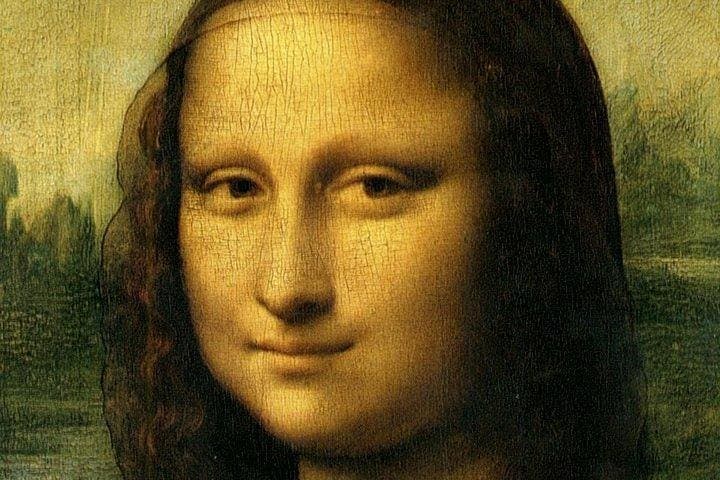
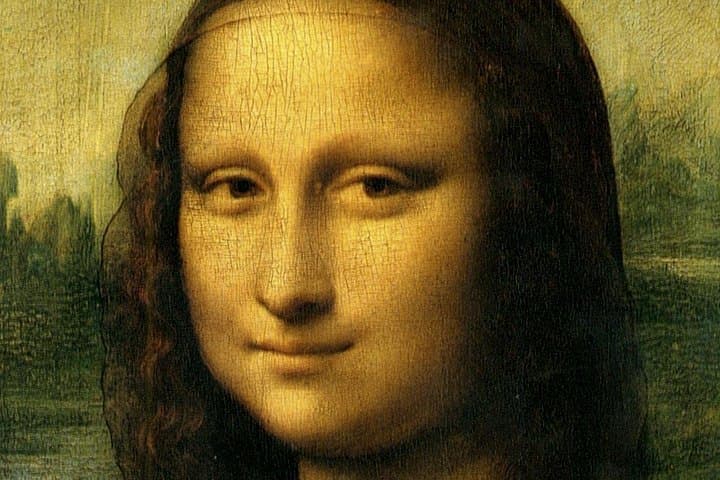
Costruito come fortezza nel XIII secolo, divenne in seguito la residenza reale francese e fu trasformato in museo nel 1793. Oggi ospita oltre 35.000 opere d'arte (Mona Lisa, Venere di Milo...). Dal 1989, i visitatori entrano attraverso la piramide di vetro, progettata dall'architetto Ieoh Ming Pei.
L'Hôtel de Ville in stile neo-rinascimentale a Parigi è stato ricostruito nel XIX secolo dopo essere stato distrutto durante il governo della Comune del 1871. Oggi, funge da Municipio di Parigi.
Ciò che resta del palazzo dei primi re di Francia, la Conciergerie divenne una prigione durante la Rivoluzione Francese.
La ‘culla’ della città di Parigi dove i suoi primi abitanti (i Parisii) si stabilirono nel III secolo a.C.
Un gioiello dell'architettura gotica. Iniziata nel 1163, la costruzione non fu completata fino al 1350. È stata celebrata da Victor Hugo nel suo famoso romanzo, ‘Il gobbo di Notre-Dame’. Dobbiamo la sua restaurazione all'architetto Viollet-Le-Duc che intraprese questo progetto nel XIX secolo.
Un tempo conosciuta come île aux vaches (isola delle mucche), qui troverai le più belle case del XVI e XVII secolo, costruite per la maggior parte dall'architetto Le Vau.
Il ponte di pietra più antico di Parigi, inaugurato nel 1606. Al centro, puoi ammirare la statua equestre del re Enrico IV, soprannominato Vert Galant (Il Verde Galante) per i suoi numerosi successi amorosi.
Con la sua facciata che suggerisce il passato da stazione ferroviaria, costruita nel 1900, oggi funge da museo che espone capolavori del XIX secolo, e più precisamente, le opere degli Impressionisti.
Riconoscibile per la sua cupola decorata in oro, fu originariamente costruita come ospedale per i feriti di guerra sotto il regno di Luigi XIV. Oggi ospita la tomba di Napoleone I e il Musée de l’Armée (Museo dell'Esercito).
Soprannominata ‘Dama di Ferro’, è stata progettata dall'ingegnere Gustave Eiffel per l'Esposizione Universale del 1889. Un autentico capolavoro ingegneristico, si erge a 324 metri di altezza e pesa 10.000 tonnellate.
Costruito per l'Esposizione Universale del 1937, ospita vari musei (il Museo Navale, il Museo dei Monumenti Francesi, il Museo dell'Uomo...)
Le recensioni sono ospitate da Viator
Questo punteggio riassume le recensioni raccolte da Viator, che le conserva sulla propria scheda. Mostriamo la media così come ci viene trasmessa, senza i singoli commenti.
Leggi le recensioni su Viator