Visite Guidée Premium du Musée du Louvre
5,0 (7226)2h30Paris, France
À partir de63 €
Vivez une croisière guidée à bord d'un bateau 100% électrique le long de la Seine à Paris. Le tour offre des vues sur des monuments emblématiques tels que la Tour Eiffel, la Cathédrale Notre-Dame, le Musée d'Orsay, le Musée du Louvre et le Grand Palais, accompagnées de commentaires éclairants d'un guide expérimenté. Cette activité convient aussi bien aux Parisiens qu'aux visiteurs, ainsi qu'aux adultes et aux enfants. Elle propose une manière confortable d'explorer Paris sans le stress de la marche. La durée de la croisière et la taille du groupe ne sont pas spécifiées. Confirmez les éventuelles restrictions ou inclusions avant de réserver.
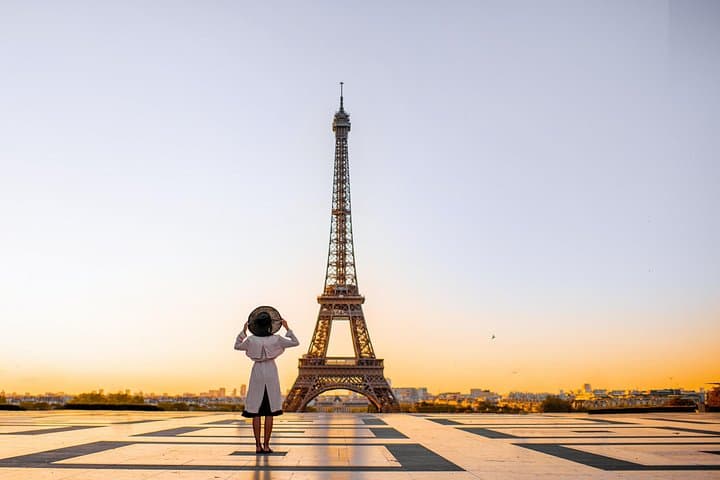
La Tour Eiffel a été construite par l'ingénieur français Gustave Eiffel, pour l'Exposition Universelle de 1889 à Paris. Cet exploit technique magnifique a été réalisé en seulement deux ans, deux mois et cinq jours. Elle mesure 324 mètres de hauteur et la structure métallique pèse 7 300 tonnes. Les Parisiens étaient scandalisés par son apparence métallique et sa hauteur. Elle a été conçue pour durer 20 ans. Une antenne radio a été ajoutée au sommet en 1903, sauvant la tour de la démolition. Elle est désormais devenue le monument symbolique de Paris.
L'Église Américaine de Paris avec son clocher vert a été la première église américaine construite en dehors des États-Unis, en 1931. Les vitraux de Louis Comfort Tiffany ont été classés monument historique.
Avec son dôme doré sur la chapelle royale, l'Hôtel des Invalides a été construit sur ordre de Louis XIV comme hôpital militaire pour les soldats et officiers blessés. Aujourd'hui, la chapelle royale abrite le tombeau du premier empereur de France, Napoléon Ier.
Le pont Alexandre III a été construit pour l'Exposition Universelle de 1900 et pour sceller l'Alliance franco-russe. Sa caractéristique centrale est le blason de Paris recouvert de feuilles d'or et deux nymphes symbolisant la Seine. De l'autre côté du pont, vous verrez les armoiries de Saint-Pétersbourg et deux nymphes symbolisant la Neva.
Le Pont de la Concorde a été construit avec des pierres de l'ancienne prison de la Bastille après qu'elle ait été prise d'assaut lors de la Révolution française en 1789. Il mène au Palais Bourbon sur votre droite, siège de l'Assemblée nationale, et à votre gauche vers la Place de la Concorde.
L'ancienne gare d'Orsay, construite pour l'Exposition universelle de 1900 à Paris, qui avait une ligne de chemin de fer menant au sud-ouest de la France, a été transformée en musée dans les années 1980 pour abriter l'art du 19ème siècle, y compris des œuvres des plus grands Impressionnistes et Post-Impressionnistes tels qu'Auguste Renoir, Claude Monet et Vincent Van Gogh.
L'Institut de France, ancien Collège des Quatre Nations, a été construit grâce aux fonds légués par le cardinal Mazarin en 1661. Il abrite cinq académies, la plus célèbre étant l'Académie Française. Le rôle de ses membres est de contribuer à la langue française, en mettant à jour et en modifiant le dictionnaire officiel français.
Le Pont Neuf, ou Nouveau Pont, qui est en réalité le plus ancien pont de Paris, a été le premier pont parisien à être construit en pierre avec des trottoirs plutôt qu'avec des maisons le long de ses rives. Il présente 381 masques en pierre grimaçants, tous décorés individuellement et uniques.
Le Pont Saint-Michel, construit à la demande de Napoléon III, d'où les deux N impériaux sur ses piliers. À droite, il mène au Quartier Latin, ainsi nommé parce que les étudiants de l'Université de Paris y parlaient latin jusqu'au XIXe siècle.
Le chef-d'œuvre gothique de Paris, la cathédrale Notre-Dame. Sa construction a commencé en 1163 et s'est achevée près de deux siècles plus tard, en 1345. La cathédrale présente une multitude de gargouilles et de sculptures. La rosace sud, appelée la Rose du Midi, est dédiée au Nouveau Testament et a été un don du roi français, Saint Louis.
Le Pont de la Tournelle, et à sa droite, une statue de Sainte Geneviève, patronne de Paris, nous tournant le dos. Elle a été sculptée par Paul Landowski, qui a ensuite réalisé la statue du Christ Rédempteur à Rio de Janeiro.
L'Institut du Monde Arabe a été inauguré en 1987 par le président François Mitterrand. Ce centre culturel se concentre sur l'histoire, l'art, la société, les religions et la science dans le monde arabe.
Depuis 1357, l'Hôtel de Ville de Paris est le siège du Conseil de Paris. La construction s'inspire largement du style néo-Renaissance. Il est ouvert aux visiteurs, vous pouvez visiter la salle des banquets, conçue sur le modèle de la Galerie des Glaces à Versailles.
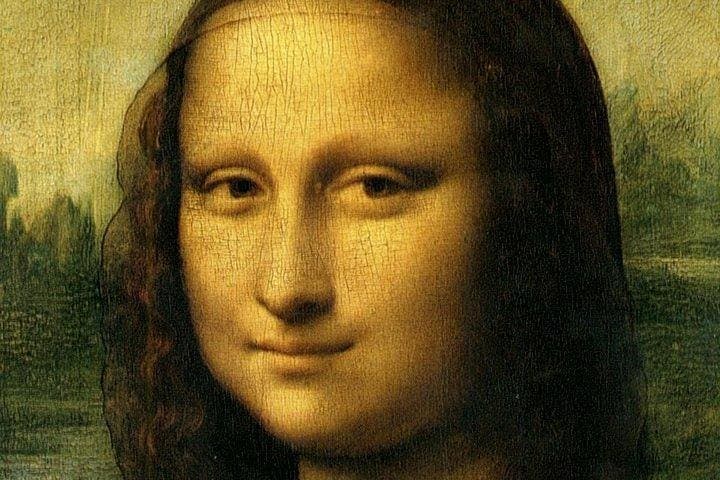
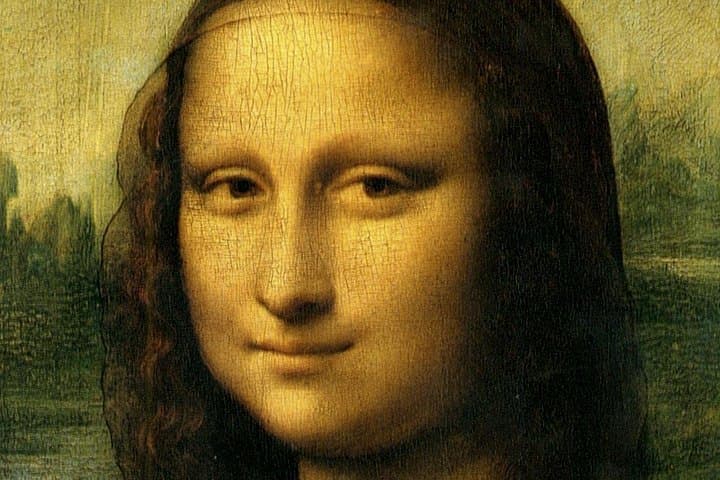
Le musée du Louvre était autrefois un palais royal. Il a été transformé en musée en 1793. C'est le plus grand monument de Paris avec plus de quatre kilomètres de façades et près de 14 kilomètres de galeries. Le Louvre est le musée le plus visité au monde, présentant 38 000 œuvres, dont la Victoire de Samothrace, la Vénus de Milo et bien sûr la Joconde.
La place de la Concorde est l'endroit où le roi Louis XVI et sa femme, la reine Marie-Antoinette, ont été exécutés pendant la Révolution française. La caractéristique centrale est un obélisque de Louxor en Égypte. Il a 34 siècles et a été amené en France en 1836.
Construit pour l'Exposition Universelle de 1900 à Paris, le Grand Palais est un grand exploit architectural. Son toit en verre est considéré comme le plus grand d'Europe. Il est désormais devenu un lieu d'événements culturels et d'expositions, une foire et la plus grande patinoire d'Europe.
Le Palais de Chaillot est situé sur la place du Trocadéro. Construit en 1937 pour l'Exposition universelle, il se compose de deux pavillons néoclassiques, flanquant une esplanade qui surplombe les jardins du Trocadéro. Il abrite la Cité de l'Architecture et du Patrimoine, le Musée national de la Marine, le Musée de l'Homme et le Théâtre national de Chaillot.
Les avis sont hébergés par Viator
Cette note résume les avis recueillis par Viator, qui les conserve sur sa propre fiche. Nous affichons la moyenne telle qu'elle nous est transmise, sans le détail des commentaires.
Lire les avis sur Viator