Private Half-Day Custom Tour of Hamburg
5,0 (12)3h30Hamburg, Germany
From€86
13 destinations to explore in Germany.
1591 activities
Germany has no single capital in the sense its neighbours mean. Berlin, Munich, Hamburg and Cologne each carry their own history and character, and the country is organised as connected cities rather than around one centre.
That has a practical consequence: trains are fast and frequent, distances are reasonable, and a week easily holds three cities without a car. The other side of it is that there is no obvious itinerary — you have to decide what you came for.
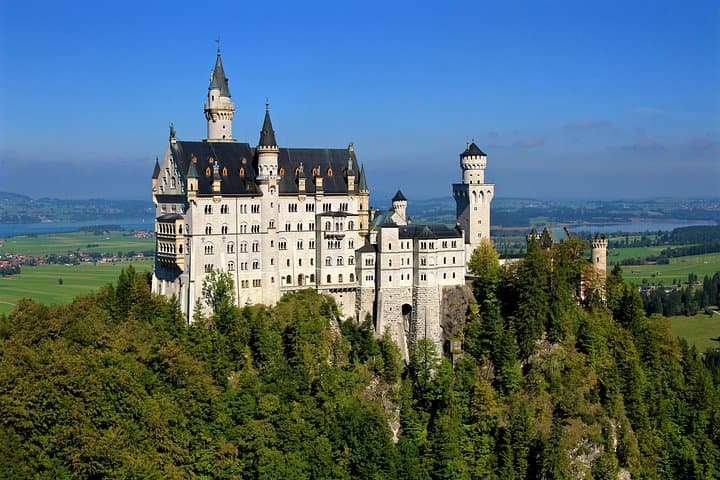 01MunichGermany299 activities
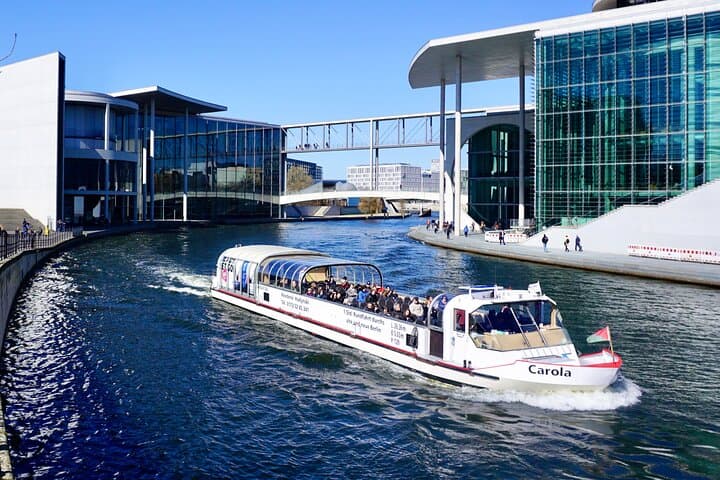 02BerlinGermany295 activities
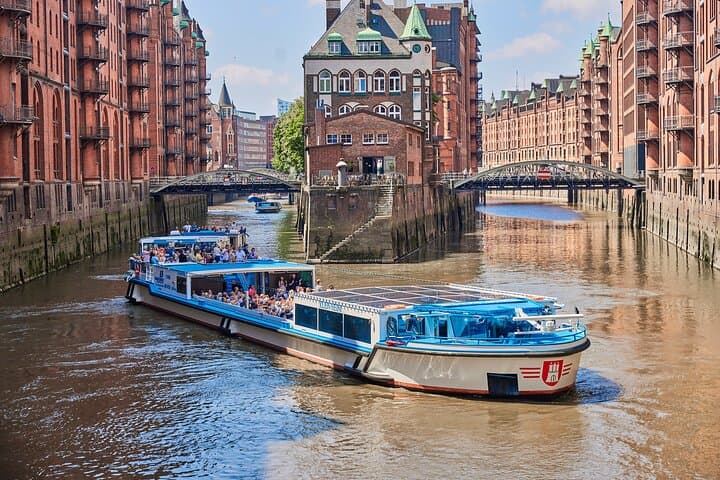 03HamburgGermany271 activities
 04FrankfurtGermany197 activities
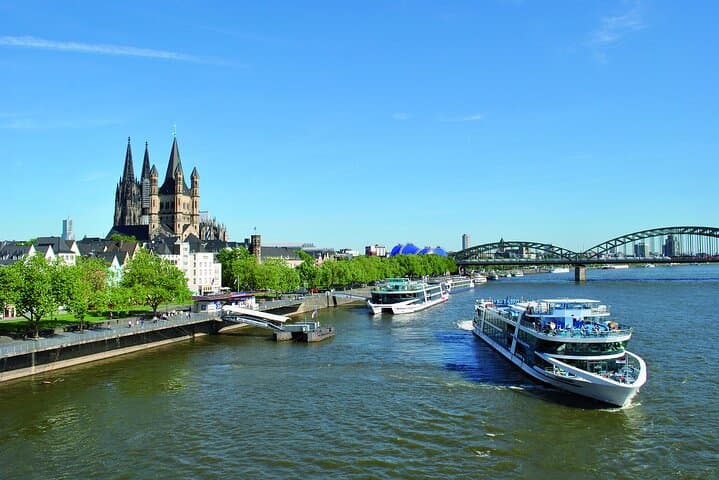 05CologneGermany152 activities
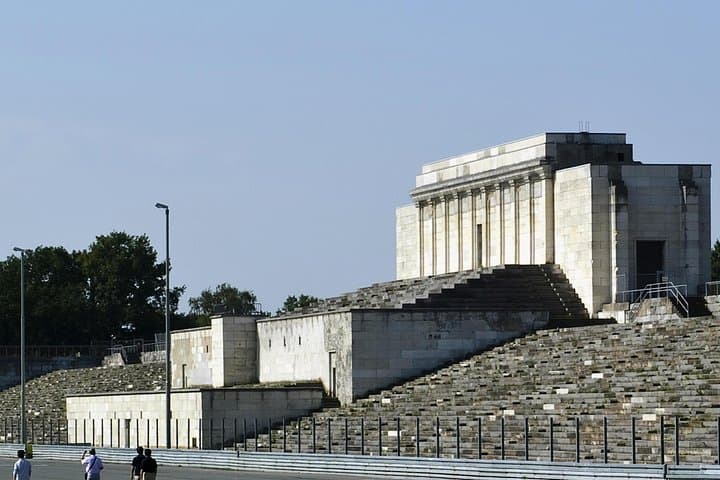 06NurembergGermany106 activities
 07DresdenGermany95 activities
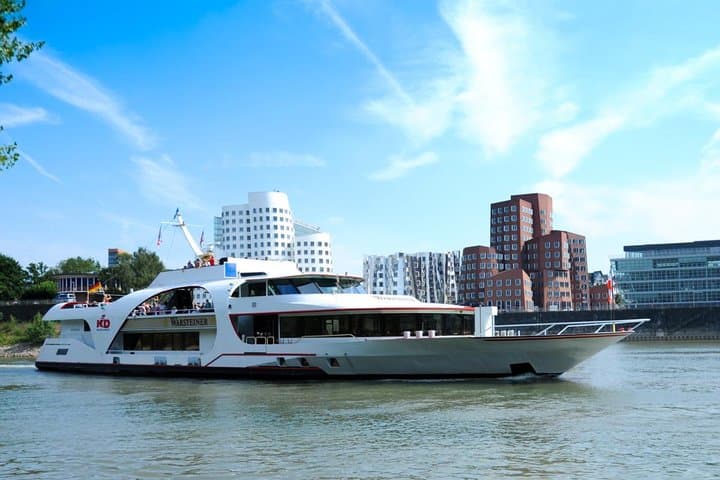 08DüsseldorfGermany84 activities
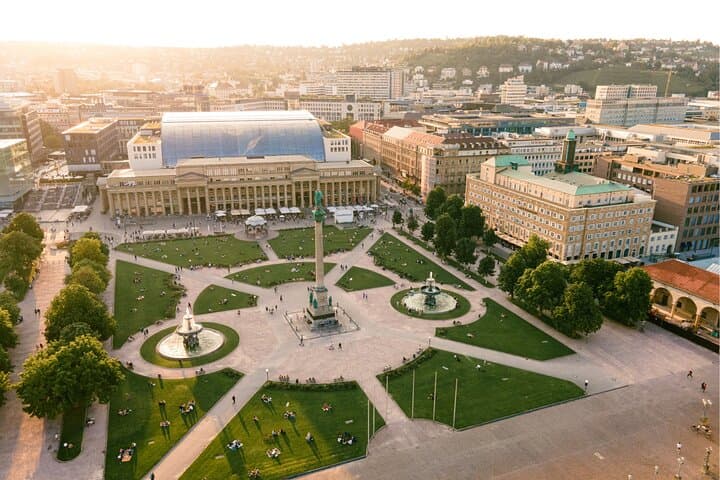 09StuttgartGermany48 activities
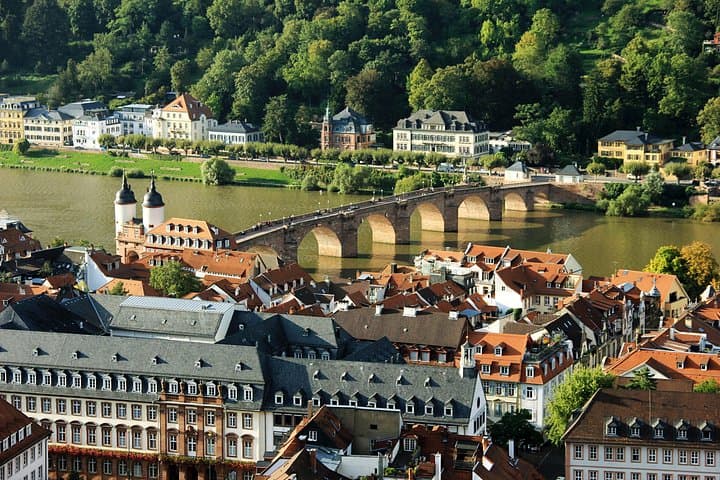 10HeidelbergGermany41 activities
 11FüssenGermany1 activity
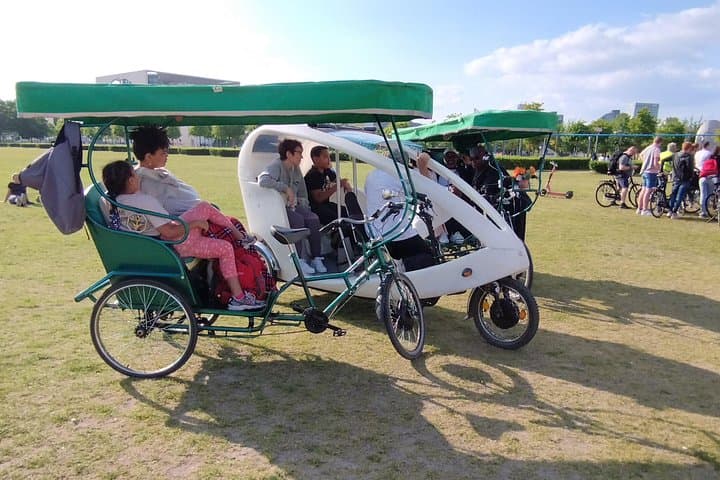 12GermanyGermany1 activity
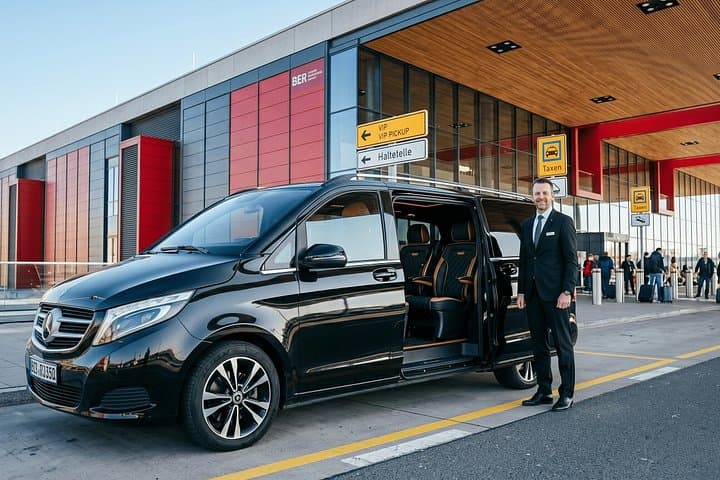 13SchönefeldGermany1 activity
The ones where the building is gone. The Wall, Third Reich sites, the memorial camps and Cold War Berlin are largely absences and marks on the pavement: without someone to explain them there is very little to see. With museums it is the other way round.
May to September for long days and outdoor tables, December for the Christmas markets, which are a season of their own and fill hotels in Nuremberg, Dresden and Cologne. January and February are the cheapest and quietest months.
Rarely. English is widely spoken, especially in Berlin and the big cities, and guided visits run routinely in English and often in other languages — which leaves the choice to the content rather than to the language barrier.