Strasbourg Food Tour - A Taste of Tradition
4,9 (801)3h30Strasbourg, France
From€79
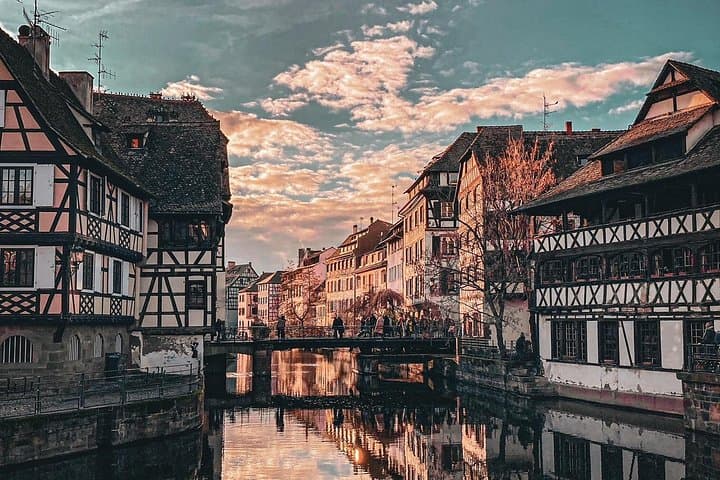
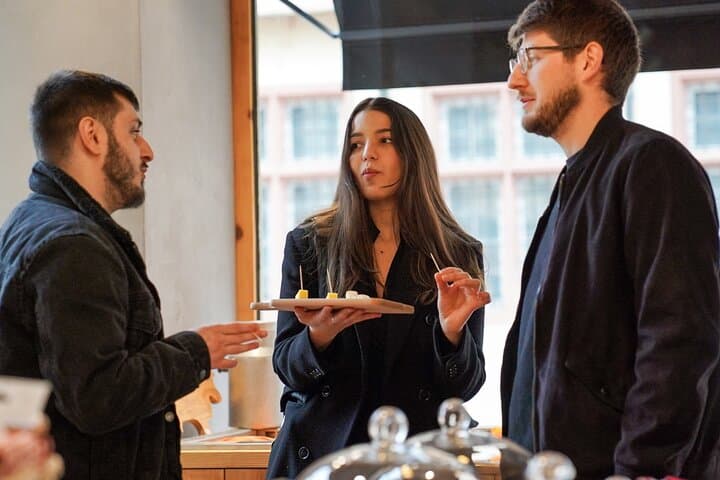
Participants will explore Strasbourg through a guided tour that features small bites from local patisseries and historic boutiques. The experience includes visits to lesser-known spots in the city, providing an authentic perspective on local culture. Led by locals, the tour allows travelers to sample local produce while discovering unique corners of Strasbourg. This experience is suitable for those interested in food and local stories, and it may not be ideal for individuals looking for a standard sightseeing tour. Before booking, consider that the tour focuses on culinary experiences and hidden gems rather than major tourist attractions.
Its very name refers to the location and destiny of this city, which has always been a confluence and convergence point. (The sculpture was inaugurated by Roland Ries, the Mayor of Strasbourg, in October 2012).
Kugelhopf ranks second in the culinary landscape of famous Alsatian recipes and dishes, just after the choucroute garnie. A tall, fluted coffee bread that is dusted in confectioners’ sugar and mild in flavor, kugelhopf is an everyday bread that is known historically for being served before weddings and other traditional ceremonies. Available year-round, kugelhopf easily can be found inside most Alsatian bakeries. A delightful bread that can be enjoyed morning, noon, or night, kugelhopf pairs well with coffee, tea, and liqueurs like kirsch.
If you take a look at Place du Château (where a model of the cathedral weighing 200 kilos, was built in bronze in 2015 to commemorate the millennium of the foundations of the cathedral of Strasbourg), right near the cathedral, you’ll see on the ground a monument of “future archaeology”: the Vault for the Future (Caveau du Futur).
Cathedral neighborhood Built on the highest point of Strasbourg, the cathedral is the emblematic monument of the city. The pink sandstone facade, 66 meters high, is a summary of architectural art from the 13th to the 15th century. It’s the second highest cathedral in France.
Already in 1528, “La Cour du Corbeau” housed a hotel named “Zum Rappen” and it seems to be one of the few European architectural ensembles which, from the outset, was built to be a hotel.
Oriel in English means «bow window», which is an architectural element made of a curved bay window designed to create space by projecting beyond the exterior wall of a building, and to provide a wider view of the outside.
What to eat? Selection of Alsatian sweets (bredeles / pâte à tartiner / chocolats dont bretzels et kouglofs / guimauves / pâtes de fruits
Pain d’épices or Gingerbread refers to a broad category of baked goods, typically flavored with ginger, cloves, nutmeg or cinnamon and sweetened with honey, sugar or molasses. Pain d’épices is mostly eaten during winter times, especially during the Christmas market.
Reviews are hosted by Viator
This rating summarises the reviews collected by Viator, which keeps them on its own listing. We show the average exactly as it reaches us, without the individual comments.
Read the reviews on Viator