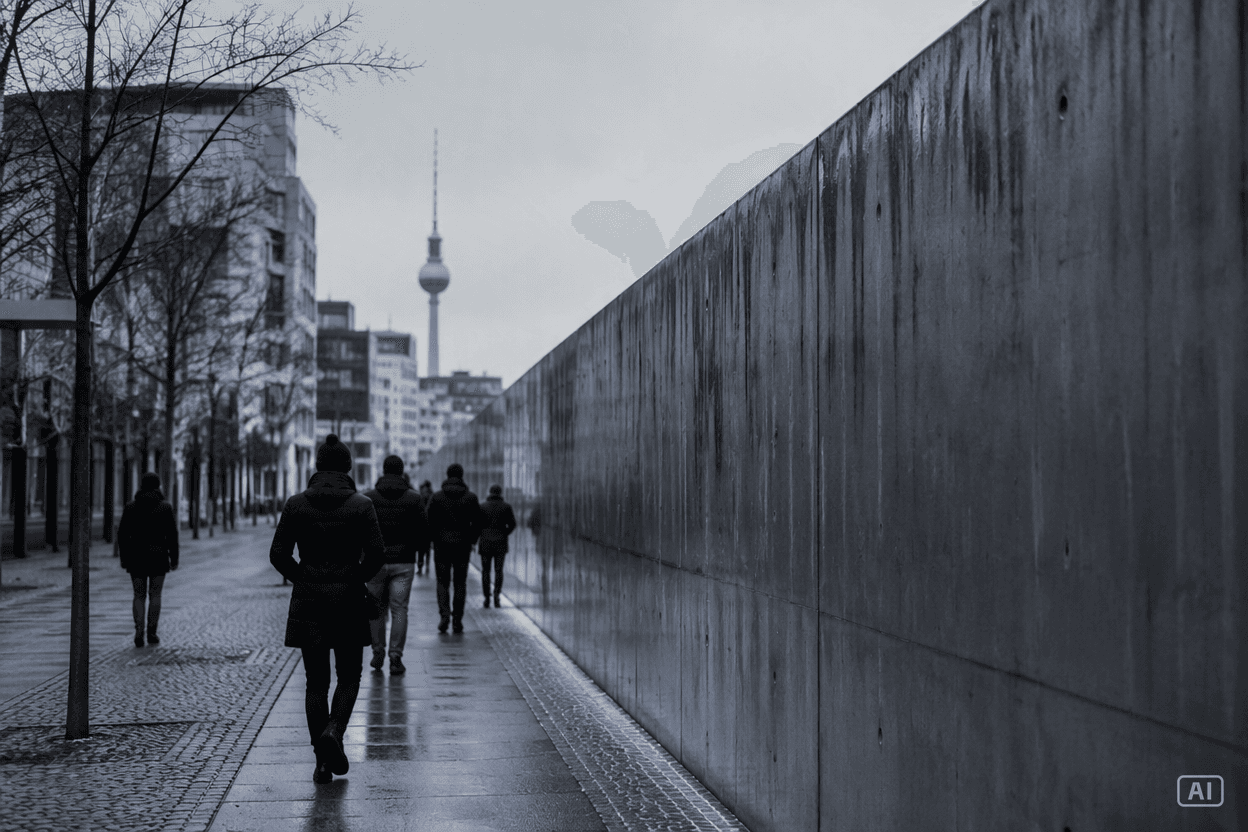
Rain: what moves indoors, and what holds up outside anyway

Rain does not change what there is to do in a European city. It changes the order you do it in — and the list of things it actually rules out is shorter than it looks from behind a window.
What rain really cancels
The line is sharp, and it runs along equipment rather than comfort. What goes is open-deck boats, cycling, watersports, kayaking, gardens and unsheltered archaeological sites, and anything built around a table outdoors. Everything else — which is to say the large majority of what a city sells — runs exactly as planned. Operators cancel for storms and for wind. They rarely cancel for rain.
What does not depend on the sky
The same categories everywhere, and together they are most of a big city's catalogue.
Walking tours hold up better than people think
This is the most common cancellation reflex and the most regretted one. Two hours of guided walking in light rain is entirely fine with a hood, and it happens in a city everyone else has abandoned: smaller groups, empty squares, no queues. Berlin is the extreme case — most of what you visit there is indoors, underground, or openly built around being cold. The only real criterion is length. Three hours outdoors in a downpour is long; two hours is a story you tell afterwards.
The cruise question
Plenty of city boats have a covered deck and sail in any weather. Others are fully open and become a bad memory. You cannot tell which from the listing photograph, which was taken on a sunny day. It is written in the description, and it is one of the few checks genuinely worth making before booking on a wet day.
Deciding late becomes an advantage
This is the strongest argument against booking everything in advance. A three-day forecast is a hypothesis; a three-hour one is a fact. Keeping the late-available things open — walking tours, workshops, tastings, markets — lets you choose knowing the sky, instead of living with a choice made last week. The exception is timed-entry sites, which have to be booked ahead regardless, and which are indoors anyway.
If you want to cancel because of the weather
Worth knowing before you count on it: rain almost never opens a special right. What applies is the listing's own cancellation policy, the same one as on a sunny day, with its deadline and its refunded share. When the operator is the one calling it off for weather — a storm, heavy seas, a warning — the rule is a full refund. The distinction between those two cases is the one that matters, and it is not yours to make.